


맥스웰테크놀로지스코리아(주)
Electronical Engineer (하드웨어 엔지니어) 책임급
51-300명
- 공고소개
- 주요업무
- 자격요건
- 우대사항
- 채용절차
- 기타안내
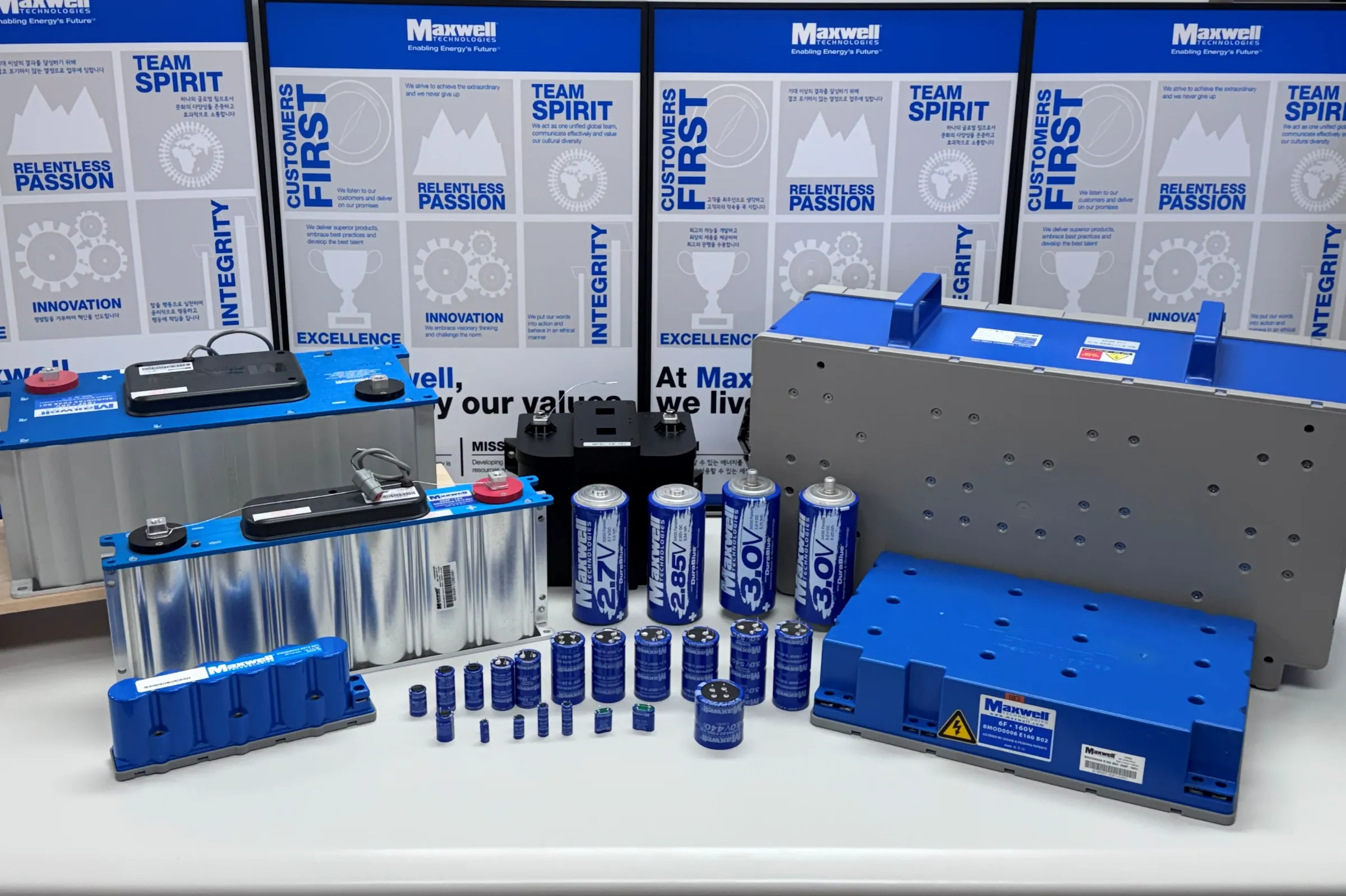
맥스웰테크놀로지스코리아㈜는 2000년에 설립된 외국계(외국 투자)기업으로 미국 Clarios, LLC.를 본사로 두고 있으며, 초고용량커패시터(Ultracapacitor) 및 그 응용제품을 개발 및 제조하여 전 세계로 수출하는 강소기업입니다.
자세한 내용은
maxwell.com
을 참고하시기 바랍니다.주요업무
• 전력전자 및 전장 제품 Hardware 설계/개발
• 회로 설계 및 PCB 검토
• 전자부품 선정 및 회로 검증
• 제품 시험, 디버깅 및 기술 문제 분석
• 양산 대응 및 품질 개선 활동
• 고객 요구사항 검토 및 기술 지원
• 생산/품질/R&D 유관부서 협업
A circuit design engineer is responsible for designing electrical and electronic circuits that function safely, reliably, and efficiently within the intended system.
The engineer must ensure that the circuit meets all functional requirements, including electrical characteristics, signal integrity, power efficiency, and system stability under normal and worst-case operating conditions.
Safety is a critical responsibility. The engineer must design circuits that prevent electrical hazards such as overvoltage, overcurrent, overheating, short circuits, and electric shock.
The engineer must ensure that the circuit complies with applicable international and regional standards (such as IEC, UL, ISO, EMC/EMI regulations).
Circuit designs must account for component tolerances, thermal stress, aging, and environmental conditions (temperature, humidity, vibration). The engineer is responsible for designing for long-term reliability and robustness.
The engineer must consider manufacturing constraints, assembly processes, and test methods to ensure the circuit can be produced consistently, tested efficiently, and repaired if necessary.
Selecting appropriate components involves balancing performance, availability, cost, and supply chain stability.
Accurate schematics, BOMs, design calculations, and technical documentation must be prepared and maintained. Clear communication with PCB designers, firmware engineers, test engineers, and suppliers is essential.
The engineer is responsible for verifying the design through simulations, prototyping, and testing, as well as analyzing failures and implementing corrective actions when issues arise.
자격 요건
• 전자·전기·임베디드 관련 전공 학사 이상
• Hardware 또는 Firmware 개발 경력 10년 이상
• 회로 설계 및 디버깅 가능자
• 전자부품 및 전력회로 이해 보유자
• EPLAN 또는 Altium 사용 가능자
• 영어 이메일 커뮤니케이션 가능자
1. Education
• Electrical Engineering, Electronics, Mechatronics, or a related field.
2. Technical Skills
• Solid understanding of analog and digital circuit design.
• Ability to read, understand, and create electrical schematics and wiring diagrams.
• Experience with PCB design and review using tools such as Altium, OrCAD, or equivalent.
• Proficiency in using measurement and test equipment (oscilloscope, multimeter, power supply, LCR meter, etc.).
• Knowledge of electronic components (resistors, capacitors, inductors, ICs, power devices, connectors).
• Basic understanding of power electronics, signal integrity, and grounding concepts.
3. Hands-on Experience
• Experience in circuit assembly, soldering, and rework.
• Ability to support prototype build, debugging, and failure analysis.
• Experience with troubleshooting circuits and identifying root causes of electrical issues.
4. Documentation & Standards
• Ability to prepare and maintain technical documentation, test reports, and BOMs.
• Basic knowledge of industry standards and safety regulations (IEC, UL, etc.) is a plus.
5. Software & Tools
• Familiarity with EDA tools and basic simulation software (e.g., Altium).
• Basic PC skills (MS Excel, Word, Power point) for data analysis and reporting.
6. Communication & Teamwork
• Ability to communicate effectively with engineers, manufacturing teams, and suppliers.
• Capable of following instructions and providing clear technical feedback.
7. Language Skills
• Basic to intermediate English reading and writing skills for technical documents and emails.
8. Personal Attributes
• Strong attention to detail and accuracy.
• Problem-solving mindset with a hands-on attitude.
• Ability to work independently as well as part of a team.
우대사항
• MCU 기반 Firmware 개발 및 유지보수 경력자 우대
• 해외 고객 및 글로벌 프로젝트 대응 경험자
• 문제 해결 및 협업 커뮤니케이션 역량 우수자
채용절차
서류 전형 > 1차 면접 > 최종 면접 > 평판조회 > 입사
기타안내
[복리후생]
건강검진
각종 경조사 지원
인센티브
우수사원 포상
연차/직책/장기근속수당
창립일/생일 선물
구내식당 점심식사 제공
통근버스 운행
자차로 자유롭게 이용 가능한 주차장
육아휴직
이 포지션에 필요한 전문분야/기술
제어
전력전자
임베디드
펌웨어
전장설계

맥스웰테크놀로지스코리아(주)
정보 보기
리멤버에서 수집한 기업 정보입니다.
정보 수정이 필요할 경우, 아래 경로로 요청해 주세요.
리멤버 앱 > 더보기 > 1:1 문의
먼저 입사한 실무자에게 조언을 구해보세요
로그인하고 현직자에게 궁금한 점을 물어보세요
사용자가 커넥트에 입력한 정보를 기반으로 제공됩니다
맥스웰테크놀로지스코리아(주)
Electronical Engineer (하드웨어 엔지니어) 책임급
51-300명
직급/직책차,부장 / 책임연구원
연봉협의
근무지경기도 용인시 기흥구
경기도 평택시
경력10년~15년 차
학력학사 이상
마감일
채용 시 마감
이 공고를
주변에도 알려주세요
주변에도 알려주세요